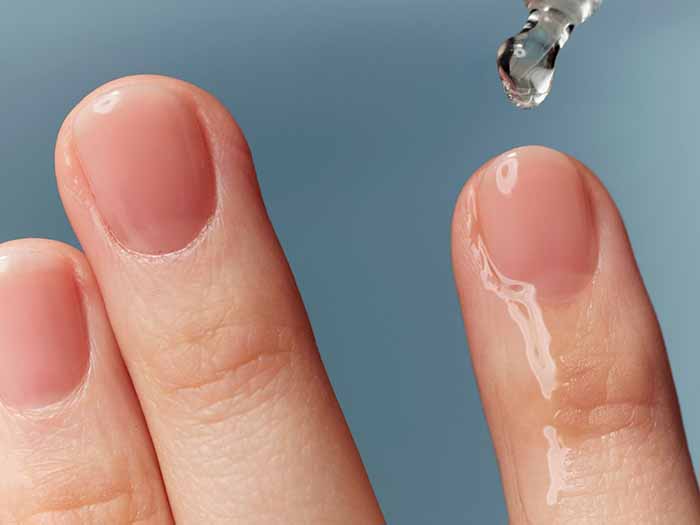
You’re holding your hand up to the light, admiring a fresh coat of polish, when you notice it: tiny vertical lines running from your cuticle to your fingertip. Or perhaps you see deeper, horizontal grooves that look like waves across the nail. These are ridges, and they’re incredibly common. While some ridges are harmless signs of aging, others can signal underlying health issues or poor nail care habits. Here’s everything you need to know about ridged nails, from why they appear to how you can treat and prevent them.
What Are Ridged Nails?
Ridged nails are exactly what they sound like: raised or indented lines on the surface of the nail plate. They come in two main types:
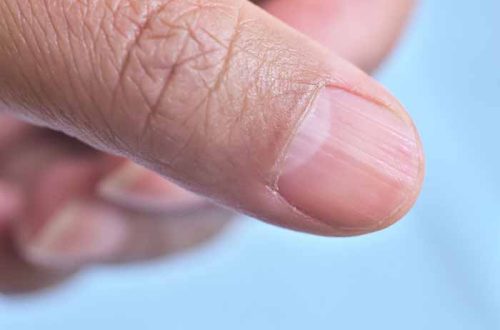
- Vertical ridges (longitudinal ridges): These run from the cuticle to the free edge, like tiny tracks along the length of the nail. They’re often barely noticeable at first but can become more pronounced with age.
- Horizontal ridges (transverse ridges): These run across the nail from side to side. Deep horizontal grooves are medically known as Beau’s lines. Unlike vertical ridges, horizontal ridges often indicate a temporary interruption in nail growth.
The texture can range from fine and silky to rough, deep, or even split. While mild ridges are usually cosmetic, deep or changing ridges deserve attention.
Why Do Ridged Nails Appear?
The nail matrix—the hidden factory under your cuticle where new nail cells are produced—creates a smooth, even nail plate when everything is working correctly. Any disruption to that process can result in ridges. Here are the most common causes.
Aging is the number one cause of vertical ridges. As we get older, blood flow to the nail matrix decreases and cell turnover slows. The nail plate becomes thinner and less able to retain moisture, leading to the formation of fine, longitudinal ridges. This is perfectly normal and affects most people over 50.
Nutritional deficiencies can also contribute. Low levels of iron (anemia), zinc, B vitamins, or protein may lead to brittle, ridged nails. In some cases, ridges can be a clue to dietary gaps.
Dehydration and environmental factors play a role too. Frequent handwashing, exposure to harsh chemicals (cleaners, acetone), and low humidity all strip moisture from the nail plate, making existing ridges more noticeable and the nail surface rougher.
Trauma or injury to the nail matrix—from slamming a finger in a door, aggressive manicuring, or even wearing too-tight shoes—can cause temporary ridges. These usually grow out as the nail regenerates.
Horizontal ridges (Beau’s lines) are a different story. They appear when the nail matrix temporarily stops producing cells due to a significant physiological stressor: high fever, major illness (pneumonia, COVID-19), chemotherapy, surgery, or severe emotional stress. Because nails grow slowly, a Beau’s line can appear 2–4 weeks after the triggering event. As the nail grows, the groove moves toward the free edge and eventually disappears.
Underlying medical conditions that affect the nail matrix can cause persistent, deep ridges. These include psoriasis (which often causes pitting and ridging), eczema, alopecia areata, lichen planus, and thyroid disorders (both hypo- and hyperthyroidism). If ridges appear suddenly or are accompanied by other symptoms like fatigue, weight changes, or skin rashes, a medical evaluation is wise.
How to Treat Ridged Nails
Treatment depends on the cause. For age‑related or environmental ridges, the goal is to improve moisture retention and smooth the surface.
Hydrate aggressively. This is the single most effective home treatment. Apply cuticle oil or a rich, urea‑based hand cream daily. Urea (10‑20%) softens the hard, ridged keratin and helps the nail retain moisture. For best results, apply oil after every hand wash and wear cotton gloves overnight once a week.
Use a ridge‑filling base coat. These products are formulated with polymers that settle into the grooves, creating a smooth surface for polish. They don’t “cure” ridges, but they make them invisible under lacquer. Apply one or two thin coats before your color.
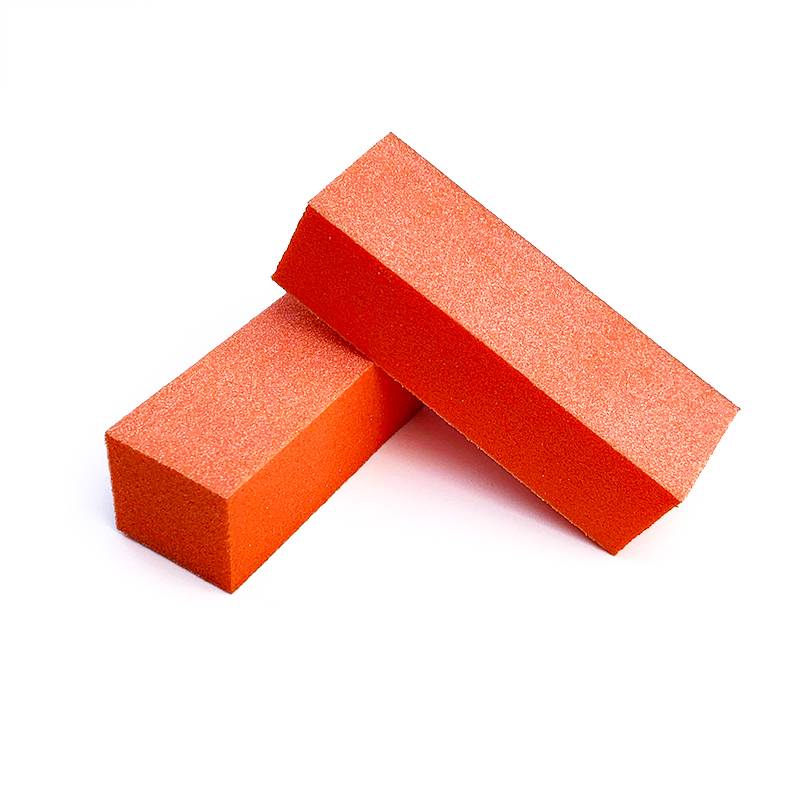
Buff gently. Lightly buffing the nail surface with a fine‑grit buffing block(240‑400 grit) can smooth mild ridges. Caution: buff too hard or too often, and you’ll thin the nail plate, making it weaker and more prone to peeling. Once a week, two or three light passes is plenty.

Address nutritional gaps. If you suspect a deficiency, incorporate iron‑rich foods (spinach, red meat, lentils), zinc (nuts, seeds, shellfish), and biotin (eggs, almonds). A daily multivitamin may help, but consult a doctor before starting supplements.
For Beau’s lines (horizontal grooves): No treatment is needed. The groove will grow out with the nail. For fingernails, that takes 4–6 months; for toenails, 6–12 months. Focus on overall health to prevent future episodes.
If ridges are caused by psoriasis, eczema, or thyroid disease, treating the underlying condition is essential. See a dermatologist or primary care provider. They may prescribe topical corticosteroids, thyroid medication, or other therapies.
How to Prevent Ridged Nails
You can’t stop aging, but you can minimize environmental and behavioral contributors.
- Protect your hands from water and chemicals. Wear gloves for dishwashing, cleaning, and gardening. Prolonged wetness and harsh detergents dry out the nail plate and exacerbate ridges.
- Moisturize after every hand wash. Keep a tube of hand cream at every sink. Apply while hands are still slightly damp to lock in moisture.
- Avoid aggressive manicures. Never scrape the nail plate with metal tools, and limit buffing to once a week. Don’t cut cuticles; push them back gently.
- Eat a balanced diet rich in protein, iron, zinc, and B vitamins. Nails are made of keratin—a protein—and rely on micronutrients for proper formation.
- Stay hydrated. Drink enough water throughout the day. Dehydration affects every keratinous tissue, including nails.
- Manage stress. Chronic stress can trigger Beau’s lines. Incorporate relaxation techniques, adequate sleep, and exercise into your routine.
- Don’t ignore persistent nail changes. If ridges appear suddenly, worsen over time, or are accompanied by nail discoloration, thickening, or separation from the nail bed, see a healthcare professional.
The Bottom Line
Ridged nails are common and usually harmless. Fine vertical ridges are often just a sign of aging or minor dehydration. Deep horizontal grooves (Beau’s lines) point to a past illness or stress, but they grow out on their own. The best strategy for smooth nails is consistent hydration, gentle care, and a nutrient‑rich diet. When ridges appear suddenly or accompany other symptoms, they can be an early clue to an underlying medical condition. Listen to your nails—they might be telling you something important.
Have you noticed changes in your nail texture? Share your experience in the comments — I’d love to hear what helped you.
Read also: DIY Nail Art: How to Create Unique Designs at Home



One comment on “Ridged Nails: How to Smooth Them Out”