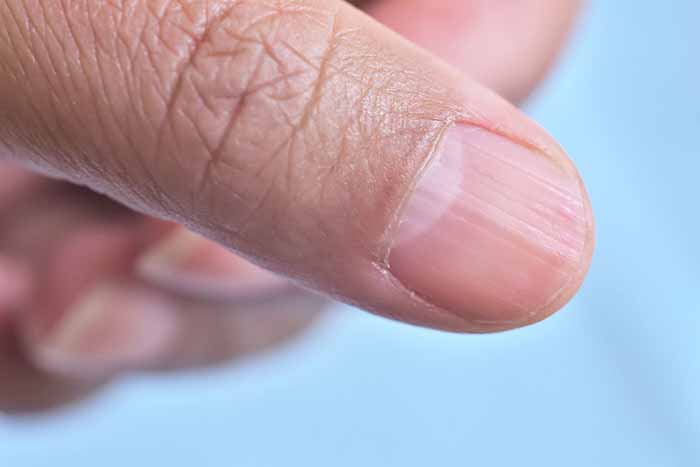
I remember the first time I noticed ridges on my nails. I was holding my hand up to the light, admiring a fresh coat of polish, when I saw them—tiny vertical lines running from my cuticle to my fingertip. I assumed something was wrong, that my nails were damaged or that I had a deficiency. It took me a while to learn that ridges are incredibly common and usually nothing to worry about.
Here is everything I have learned about nail ridges, from what they are to how to treat and prevent them.
What Are Ridged Nails?
Ridged nails are exactly what they sound like: raised or indented lines on the surface of the nail plate. They can be fine and subtle or deep and pronounced. They can run vertically (from cuticle to tip) or horizontally (across the nail). Understanding the difference is important because they have different causes and implications.
The Two Main Types of Nail Ridges
Vertical ridges (longitudinal ridges). These run from the cuticle to the free edge, like tiny tracks along the length of the nail. They are often barely noticeable at first but can become more pronounced with age. Vertical ridges are the most common type and are usually harmless.
Horizontal ridges (transverse ridges). These run across the nail from side to side. Deep horizontal grooves are medically known as Beau’s lines. Unlike vertical ridges, horizontal ridges often indicate a temporary interruption in nail growth.
Why Do Nail Ridges Appear?
The nail matrix—the hidden factory under your cuticle where new nail cells are produced—creates a smooth, even nail plate when everything is working correctly. Any disruption to that process can result in ridges.
Aging is the number one cause of vertical ridges. As we age, blood flow to the nail matrix decreases and cell turnover slows. The nail plate becomes thinner and less able to retain moisture, leading to the formation of fine, longitudinal ridges. This is perfectly normal and affects most people over 50.
Nutritional deficiencies can also contribute. Low levels of iron (anaemia), zinc, B vitamins, or protein may lead to brittle, ridged nails. In some cases, ridges can be a clue to dietary gaps.
Dehydration and environmental factors play a role too. Frequent handwashing, exposure to harsh chemicals (cleaners, acetone), and low humidity all strip moisture from the nail plate, making existing ridges more noticeable and the nail surface rougher.
Trauma or injury to the nail matrix—from slamming a finger in a door, aggressive manicuring, or even wearing too-tight shoes—can cause temporary ridges. These usually grow out as the nail regenerates.
Horizontal ridges (Beau’s lines) appear when the nail matrix temporarily stops producing cells due to a significant physiological stressor: high fever, major illness (pneumonia, COVID-19), chemotherapy, surgery, or severe emotional stress. Because nails grow slowly, a Beau’s line can appear 2-4 weeks after the triggering event. As the nail grows, the groove moves toward the free edge and eventually disappears.
Underlying medical conditions that affect the nail matrix can cause persistent, deep ridges. These include psoriasis (which often causes pitting and ridging), eczema, alopecia areata, lichen planus, and thyroid disorders (both hypo- and hyperthyroidism). If ridges appear suddenly or are accompanied by other symptoms like fatigue, weight changes, or skin rashes, a medical evaluation is wise.
Should You Be Concerned About Ridged Nails?
In most cases, no. Fine vertical ridges are often just a sign of aging or minor dehydration. They are not harmful and do not require treatment.
However, there are times when ridges warrant attention. If ridges appear suddenly or worsen over time, if they are accompanied by nail discoloration, thickening, or separation from the nail bed, or if they are horizontal (Beau’s lines) and appear after a period of illness or stress—it is worth consulting a healthcare professional. In some cases, persistent ridges can be an early sign of an underlying health issue.
How to Smooth and Improve Ridged Nails
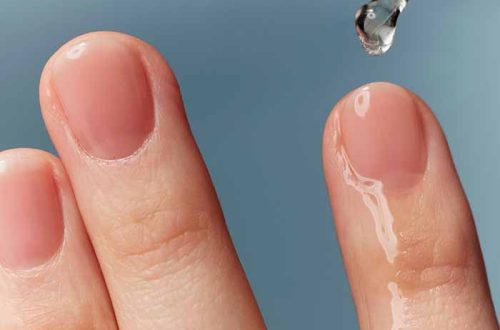
Hydrate aggressively. This is the single most effective home treatment. Apply cuticle oil or a rich, urea-based hand cream daily. Urea (10-20%) softens the hard, ridged keratin and helps the nail retain moisture. For best results, apply oil after every hand wash and wear cotton gloves overnight once a week.
Use a ridge-filling base coat. These products are formulated with polymers that settle into the grooves, creating a smooth surface for polish. They do not cure ridges, but they make them invisible under lacquer. Apply one or two thin coats before your colour.
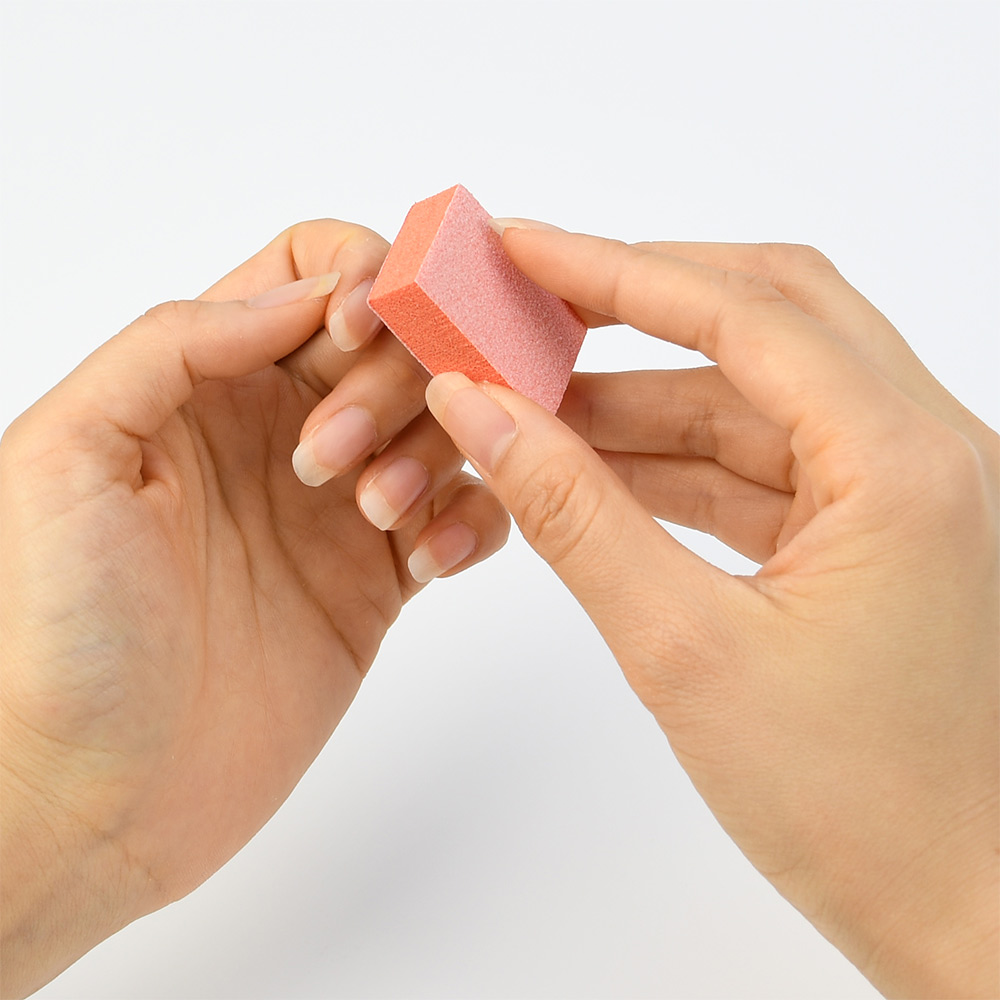
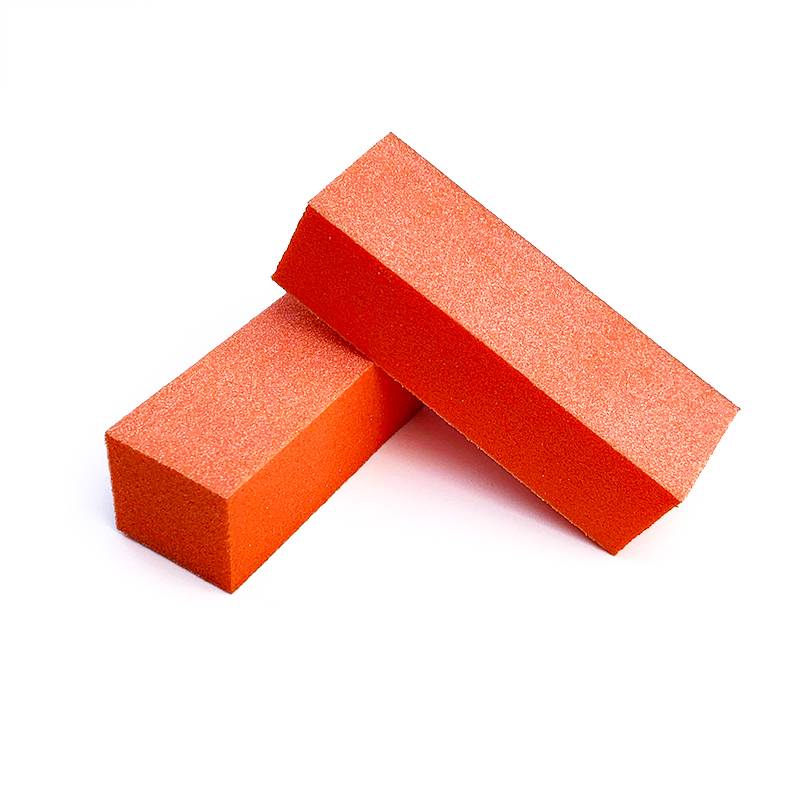
Buff gently. Lightly buffing the nail surface with a fine-grit buffer block can smooth mild ridges. Caution: buff too hard or too often, and you will thin the nail plate, making it weaker and more prone to peeling. Once a week, two or three light passes is plenty.
Address nutritional gaps. If you suspect a deficiency, incorporate iron-rich foods (spinach, red meat, lentils), zinc (nuts, seeds, shellfish), and biotin (eggs, almonds). A daily multivitamin may help, but consult a doctor before starting supplements.
Professional Nail Care Options
If home treatments are not enough, professional options are available.
Professional buffing. A salon technician can gently buff the surface to smooth ridges without thinning the nail. This is a more controlled option than DIY buffing.
Structured gel manicures. A builder gel overlay can smooth ridges and add strength, while a gel polish finish provides a smooth, high-shine surface. This is an excellent option for people with deep ridges that cannot be smoothed with buffing.
Medical evaluation. If ridges are persistent or accompanied by other symptoms, a dermatologist can assess your nails and recommend treatment for any underlying conditions.
The Bottom Line
Nail ridges are common and usually harmless. Fine vertical ridges are often just a sign of aging or minor dehydration. Deep horizontal grooves (Beau’s lines) point to a past illness or stress, but they grow out on their own. The best strategy for smooth nails is consistent hydration, gentle care, and a nutrient-rich diet. When ridges appear suddenly or accompany other symptoms, they can be an early clue to an underlying medical condition. Listen to your nails—they might be telling you something important.
Read also: Ridged Nails: How to Smooth Them Out



One comment on “Understanding Nail Ridges: Causes, Types, and How to Smooth Them Out”