Gel manicures are loved for their long-lasting shine and chip-free wear. But for some people, they come with an unwelcome side effect: an allergic reaction. It often starts subtly—itching around the cuticle, redness, or a burning sensation during curing. Within days, the skin can become swollen, cracked, and painful. Once an allergy to gel products develops, it is often permanent. That is why understanding the symptoms and taking prevention seriously matters.
Here is what you need to know about gel manicure allergies, why they happen, and how to protect yourself.
What Are the Symptoms of a Gel Manicure Allergy?
An allergic reaction to gel polish is a form of allergic contact dermatitis. It usually appears on the skin around the nails, but it can spread to the fingertips, hands, and even the face or neck if you touch those areas.
Common symptoms include:
- Itching, burning, or tingling around the nails
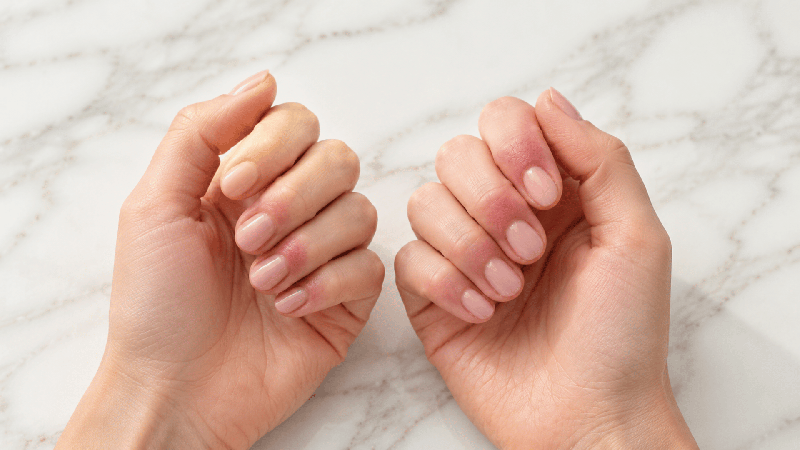
- Redness and swelling of the cuticles and nail folds
- Dry, cracked, or peeling skin
- Small blisters or bumps
- Pain or tenderness when pressing the nail area
- Nail lifting or separation from the nail bed in severe cases
Symptoms may appear hours after application or several days later. They can worsen with each subsequent gel manicure. In some cases, the reaction becomes so severe that the nail plate itself is affected, leading to permanent damage.
Why Do Gel Products Cause Allergies?
The culprit is usually a group of chemicals called acrylates. These are the building blocks of gel polish, base coats, top coats, builder gels, and acrylic systems. Acrylates are also found in some nail glues, press-on adhesives, and even dental products.
When gel is properly cured, the acrylates polymerise into a hard, inert plastic. In this cured state, they are safe. The problem arises when uncured or partially cured gel touches the skin. The acrylates remain chemically active and can penetrate the skin. The immune system recognises them as foreign and mounts a response. Over time, repeated exposure can sensitise the immune system. Once sensitised, even tiny amounts of acrylates can trigger a reaction.
Under-curing is a major cause. If the gel is applied too thickly, if the lamp is not powerful enough, or if the curing time is too short, the gel remains partially liquid. This uncured gel can migrate to the skin and cause sensitisation.
Skin contact during application is another cause. If gel floods the cuticles or sidewalls and is not cleaned up before curing, it bonds to the skin. Even if it cures, the skin is exposed to acrylates before curing completes.
Some people are more prone to allergies than others. But repeated exposure increases risk for everyone. A person may use gel polish for years without issue, then suddenly develop a reaction.
How to Reduce Your Risk of a Gel Manicure Allergy?
Prevention is far better than treatment, because once an acrylate allergy develops, it rarely goes away.
Keep gel off the skin. This is the most important rule. Apply gel carefully, leaving a small gap around the cuticle and sidewalls. If gel touches the skin, clean it up immediately with a small brush dipped in alcohol before curing. Do not cure gel that is on the skin.
Ensure full curing. Use a lamp compatible with your gel brand. Follow the manufacturer’s recommended cure time exactly. Do not apply gel too thickly. Thin layers cure more completely. If your gel feels tacky or soft after curing, it is under-cured.
Choose quality products. Cheap or counterfeit gels may contain higher levels of unreacted acrylates or inconsistent photoinitiators. Buy from reputable brands. If you are sensitive, look for HEMA-free or hypoallergenic formulas. HEMA (hydroxyethyl methacrylate) is a common acrylate that causes reactions.
Do not use gel polish if you have a known acrylate allergy. This includes some dental materials and medical adhesives. If you have reacted to those, you are at higher risk for gel polish allergies.
Take breaks. Give your nails a break between gel applications. This reduces cumulative exposure. If you notice any itching or redness, stop using gel products immediately and let your nails recover.
Check ingredients. If you have reacted before, read labels carefully. Avoid products containing acrylates, methacrylates, or HEMA. Patch test new products on a small area of skin before a full application.
Do not pick or peel. Peeling gel can tear the nail and expose the skin to uncured product. Always remove gel properly with acetone.
Practice good aftercare. Apply cuticle oil daily. Keep the skin around your nails healthy and intact. Damaged skin is more vulnerable to sensitisation.
What to Do If You Have an Allergic Reaction?
If you notice symptoms of an allergic reaction after a gel manicure, act quickly.
Stop using all gel products immediately. Do not apply another gel manicure. Do not use acrylics, gel polish, or any product containing acrylates.
Remove the gel safely. Use the acetone soak method. Do not peel or scrape. If the reaction is severe or the gel is hard gel, see a professional for removal. Be gentle with the skin.
Wash the area gently. Use mild soap and cool water. Pat dry. Do not scrub.
Apply a soothing cream. A fragrance-free, hypoallergenic moisturiser or a thin layer of petroleum jelly can help protect the skin. Avoid topical antihistamines or steroid creams unless recommended by a doctor.
See a doctor or dermatologist. If symptoms are severe, spreading, or not improving, seek medical advice. A doctor can confirm the diagnosis and prescribe treatment. They may also refer you for patch testing to identify the specific allergen.
Do not try another gel product. Once sensitised, you are likely to react again. Even “gentle” or “HEMA-free” products may contain other acrylates that trigger a response. Some people can never wear gel polish again without a reaction.
Consider alternatives. If you love manicures, explore non-acrylate options. Regular nail polish, water-based polishes, and some press-on nails with adhesive tabs may be safe. Always patch test.
The Bottom Line
Gel manicure allergies are caused by uncured acrylates touching the skin. They are preventable with careful application, full curing, and good hygiene. Symptoms include itching, redness, swelling, and cracking around the nails. If a reaction occurs, stop using gel products, remove the polish safely, and see a doctor if needed. Once an acrylate allergy develops, it is usually permanent. Protecting your skin during application is not just about a better manicure—it is about your long-term health.
Read also: Understanding Nail Ridges: Causes, Types, and How to Smooth Them Out